
Pulse PEMF Therapy Benefits and How It Supports Recovery
Recovery takes energy. After stress, hard training, poor sleep, or daily wear and tear, the body needs support to repair and reset. Pulse PEMF therapy is one option many holistic wellness centers use to support that process.
PEMF stands for pulsed electromagnetic field. In plain terms, it uses gentle energy pulses around the body. The goal is to support normal cell activity, circulation, relaxation, and recovery.
This article is for general education only. It is not medical advice. Anyone with a health condition, implanted medical device, or pregnancy should speak with a licensed health professional before trying PEMF therapy.

What pulse PEMF therapy does
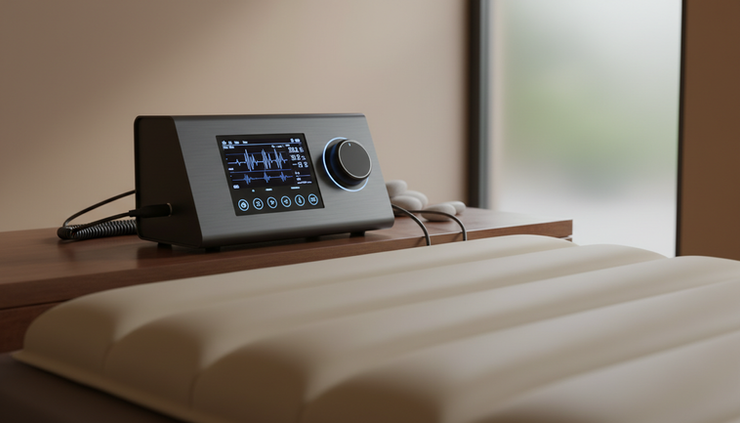
Pulse PEMF therapy uses low-level pulsed energy. The pulses pass through the body without pressure, heat, or force. Most sessions feel quiet and simple.
A person may lie on a mat, sit near the device, or rest in a treatment chair. The practitioner sets the session based on the intended use and comfort level.
The main idea is this: healthy cells use natural electrical activity. Stress, injury, poor sleep, and inflammation can affect how well the body works. PEMF therapy aims to support a better internal environment for recovery.
That does not mean it cures disease. It also does not replace care from a doctor, physical therapist, or other licensed provider. Think of it as a supportive wellness tool.
A Pemf Pulse session may fit well with other recovery habits, such as:
Good sleep
Hydration
Gentle movement
Breathwork
Stretching
Massage
Nutrient-rich food
Time away from constant stress
The value comes from consistency and a calm recovery plan, not from one rushed session.
Key benefits people seek from pulse PEMF therapy
People use pulse PEMF therapy for many wellness goals. The most common ones focus on recovery, comfort, and relaxation.
It may support muscle recovery
Hard training, long workdays, and physical stress can leave muscles feeling heavy or tight. PEMF therapy may help the body shift into a better recovery state by supporting local circulation and relaxation.
Better circulation matters because blood carries oxygen and nutrients. It also helps clear normal waste products from daily activity.
For active people, this can make PEMF therapy a useful part of a recovery routine. It pairs well with stretching, mobility work, and rest days.
This does not mean soreness will vanish overnight. Recovery still depends on sleep, training load, food, and stress.
It may help with joint comfort
Many people seek PEMF therapy when joints feel stiff or overworked. Gentle pulsed energy may support comfort and ease of movement for some people.
Joint comfort can affect daily life. Stiff knees can change how someone walks. Tight hips can affect the lower back. Sore shoulders can limit sleep.
PEMF therapy may be useful when placed inside a larger plan that includes safe movement, strength work, posture support, and professional care when needed.
It may support relaxation
Recovery is not only physical. The nervous system plays a major role.
When the body stays in a stressed state, rest can feel hard. Muscles stay tense. Sleep can suffer. Digestion may feel off. The body has less bandwidth for repair.
Many people describe PEMF sessions as calming. The quiet setting, stillness, and gentle pulses can help the body slow down.
That relaxation response is one reason PEMF therapy fits well in holistic health settings. It supports recovery from the inside out.
How pulse PEMF supports recovery
Recovery depends on many systems working together. PEMF therapy does not do the work for the body. It helps create better conditions for the body to do its own work.
It supports healthy circulation
Good blood flow helps tissues receive what they need. It also helps the body manage normal byproducts from activity and stress.
When circulation improves, people may feel looser, warmer, or more at ease. The effect can vary by person and session.
This is one reason people often use PEMF after workouts, physically demanding work, or long periods of sitting.
It encourages a calmer body state
The body repairs best when it can rest. Deep recovery does not happen well when stress stays high.
A calm session can cue the body to slow down. This may support sleep quality, muscle softness, and a more balanced feeling after the session.
For holistic health, this matters. The body is not a machine with separate parts. Stress, pain, sleep, and movement all affect one another.
It may support better movement
Stiffness changes movement patterns. When one area feels tight, another area often compensates.
A person with tight hips may strain the lower back. A person with sore shoulders may tense the neck. A person with foot discomfort may change their gait.
By supporting comfort and relaxation, PEMF therapy may help people move with less guarding. This can make gentle stretching or bodywork more effective.
It fits into low-effort recovery
Some recovery tools take effort. Exercise, stretching, and mobility work all matter, but they require action.
PEMF therapy is different. A session usually involves resting while the device runs. That makes it useful for people who feel drained, sore, or overstimulated.
It can also fit into a busy week. Sessions are quiet and simple. There is no heavy equipment to lift and no complex routine to learn.
What a session usually feels like
A pulse PEMF therapy session is often uneventful, in a good way. Most people rest while the device runs.
Some may feel gentle warmth, tingling, pulsing, or deep relaxation. Others feel very little during the session. A subtle session can still be useful.
A typical visit may include:
A short intake conversation
A review of health history and comfort level
Time to settle onto the mat or treatment area
A quiet session
A few minutes to reorient before leaving
After a session, some people feel relaxed or lighter. Others notice better sleep later that day. Some need a few sessions before they decide how it affects them.
Hydration helps. So does giving the body time to respond. Overloading the body with too many new therapies at once can make it hard to know what is helping.

Who may benefit from pulse PEMF therapy
Pulse PEMF therapy is often used by people who want noninvasive recovery support. It may interest people focused on natural wellness, performance, and long-term resilience.
Common reasons people explore it include:
Muscle soreness after exercise
General stiffness
Joint discomfort
Stress-related tension
Poor recovery after busy weeks
Desire for deeper relaxation
Support during a wellness routine
It can appeal to athletes, weekend hikers, yoga practitioners, desk workers, caregivers, and anyone who wants a calmer recovery tool.
For people near Woodstock, GA, pulse PEMF therapy may also be part of a broader wellness visit that includes other noninvasive services.
Who should be cautious
PEMF therapy is not for everyone.
A person should get medical guidance first if they have:
A pacemaker or implanted medical device
Pregnancy
A seizure disorder
Active bleeding
A serious heart condition
A recent surgery
Any condition under close medical care
When in doubt, ask a qualified health professional. Safety comes first.
How to get the most from pulse PEMF therapy
PEMF therapy works best when it supports a clear recovery plan. Treat it as part of a routine, not a one-time fix.
Start with a clear goal
A clear goal helps guide the session.
Good goals include:
Sleep better after stressful weeks
Support recovery after training
Reduce feelings of stiffness
Relax the nervous system
Improve comfort before gentle movement
The more specific the goal, the easier it is to track changes.
Notice what changes after the session
Pay attention to simple signals.
Track:
Sleep quality
Energy the next morning
Muscle tightness
Joint comfort
Mood
Ease of movement
Post-session relaxation
A short note on a phone can help. The goal is not to overanalyze. It is to see patterns.
Pair it with recovery basics
PEMF therapy cannot outwork poor recovery habits.
For best results, pair sessions with:
Enough sleep
Regular hydration
Protein and whole foods
Light movement
Time outdoors
Stress management
Consistent rest days
These habits give the body what it needs. PEMF therapy may help support the process.
Avoid doing too much at once
More is not always better. A balanced approach can work better than stacking every therapy into one day.
Start with a simple plan. Give the body time to respond. Adjust based on how the person feels.
What makes pulse PEMF different from heat or massage
Pulse PEMF therapy is not the same as heat, massage, stretching, or vibration.
Heat warms tissue from the outside. Massage uses pressure. Stretching lengthens muscles and connective tissue. PEMF uses pulsed energy around the body.
That makes it useful for people who want recovery support without strong pressure or intense sensation.
Here is a simple comparison.
Pulse PEMF therapy
Massage
Heat therapy
Stretching
Gentle pulsed energy, often used for recovery support and relaxation
Hands-on pressure, often used for muscle tension and soft tissue work
External warmth, often used for comfort and temporary relaxation
Active or passive movement, often used for flexibility and mobility
These tools can work together. They do not need to compete. The best choice depends on the goal, comfort level, and health history.

How often should someone use pulse PEMF therapy
There is no single schedule for everyone. Frequency depends on the person’s goals, health status, and response.
Some people use it weekly for general wellness. Others use it more often during high-stress periods or intense training blocks. Some use it less often as maintenance.
A thoughtful plan usually starts small. A person can then adjust based on comfort, energy, sleep, and recovery.
Signs that the schedule may be a good fit include:
Feeling relaxed after sessions
Better sleep patterns
Less stiffness after activity
Easier movement
No unwanted fatigue or discomfort
If a person feels overly tired or off after sessions, the plan may need to change. Shorter or less frequent sessions may be a better fit.
FAQ
Does pulse PEMF therapy hurt?
No, it should not hurt. Most people feel little to no discomfort. Some feel gentle pulsing, warmth, or relaxation.
How soon can someone feel results?
Some people notice relaxation after one session. Others need several sessions to notice changes in sleep, comfort, or recovery. Results vary.
Can PEMF therapy replace medical treatment?
No. PEMF therapy is a wellness support tool. It should not replace medical care, physical therapy, medication, or a treatment plan from a licensed provider.
Is pulse PEMF therapy safe for everyone?
No. People with implanted medical devices, pregnancy, serious heart conditions, seizure disorders, or major health concerns should get medical guidance first.
What should someone do after a session?
Drink water, move gently, and avoid rushing back into high stress if possible. Notice how sleep, energy, and comfort feel over the next day.
A practical way to support recovery
Pulse PEMF therapy is simple, quiet, and noninvasive. It may support recovery by helping the body relax, improving comfort, and encouraging better movement.
It works best as part of a full recovery plan. Sleep, hydration, food, movement, and stress control still matter.
For those ready to explore it, learn more about Pulse PEMF therapy and session options. Start with a clear goal, listen to the body, and use the therapy as one steady piece of a broader wellness routine.

Comments